
Woodland Wanderers Defines Forest School as Child-Led Learning With Purposeful Support
Potters Bar, United Kingdom - February 13, 2026 / Woodland Wanderers /
Woodland Wanderers Explains the Benefits of Forest School for Toddlers and Preschoolers
Woodland Wanderers, a Montessori-inspired early years provider with a strong sustainability ethos, is highlighting the growing interest in forest school learning for young children and explaining why outdoor-based education continues to shape confident, capable learners. With more families looking for meaningful daily experiences beyond the traditional classroom, Woodland Wanderers is sharing a clear and educational overview of forest school benefits for toddlers, and how outdoor learning early years environments support development during the most important stages of childhood.
Forest school in the early years is not simply “playing outside”. At Woodland Wanderers, forest school sessions are thoughtfully planned, child-led, and guided by experienced practitioners who understand both the Early Years Foundation Stage (EYFS) framework and the unique developmental needs of toddlers and preschoolers. From seasonal nature discovery and sensory exploration to managed risk-taking and physical confidence-building, Woodland Wanderers view the outdoors as a powerful learning space where children thrive through experience, not instruction alone.
Woodland Wanderers offers a blended approach that combines Montessori principles with forest school learning in the UK. This supports independence and curiosity while also strengthening core physical skills, language development, emotional resilience, and social confidence. Woodland Wanderers supports children from baby room through preschool age, creating continuity in the child’s journey and allowing outdoor learning early years experiences to become part of everyday life.
Woodland Wanderers Highlights Why Forest School Benefits for Toddlers Begin With Real Experience
The early years are defined by movement, exploration, and emotional growth. For toddlers, learning happens through touch, trial, repetition, and discovery. Woodland Wanderers explains that forest school aligns closely with the way young children naturally develop because it encourages them to learn in context.
Unlike structured, desk-based activities that rely heavily on verbal instruction, forest school allows children to engage their whole bodies and senses. They see, hear, smell, touch, and respond to real-world environments. Woodland Wanderers notes that this sensory engagement supports cognitive development, memory, and emotional regulation, especially for toddlers who are still building language and processing skills.
Woodland Wanderers places importance on creating a safe, supportive environment while allowing children to experience age-appropriate challenges. By offering freedom to explore within clear boundaries, forest school becomes a setting where toddlers build trust in themselves, develop independence, and gain confidence through small achievements that feel meaningful.
Woodland Wanderers Defines Forest School as Child-Led Learning With Purposeful Support
Forest school is not a single activity or occasional outdoor session. Woodland Wanderers describes it as an approach built on repetition and relationship-building with nature. Children return to familiar outdoor spaces throughout the year, recognising seasonal changes and forming a long-term connection with their environment.
At Woodland Wanderers, forest school experiences may include:
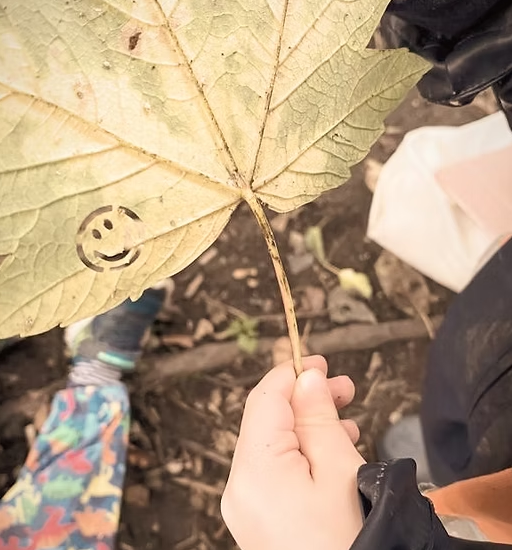
exploring natural materials such as leaves, bark, stones, mud, and water
nature walks and observation of plants, insects, and birds
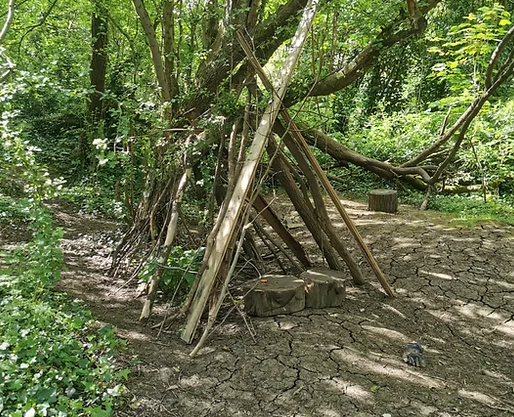
den building and imaginative role play using the outdoor environment
movement-based play such as balancing, climbing, jumping, and crawling
collaborative activities that support sharing and social interaction
opportunities for problem-solving and decision-making through open-ended play
Forest school benefits for toddlers increase when children are given time to explore and return to activities as their confidence grows. Woodland Wanderers focuses on consistency, routine, and child-led exploration, ensuring toddlers feel secure while still experiencing novelty and challenge.
Woodland Wanderers Explains How Outdoor Learning Early Years Supports Physical Development
One of the most visible impacts of forest school is physical development. Woodland Wanderers explains that young children build strength, coordination, and body awareness through movement, and outdoor spaces offer a richer range of opportunities than indoor environments alone.
Outdoor learning early years experiences naturally support gross motor skills. Running on uneven ground, climbing slopes, stepping over logs, balancing on different surfaces, and navigating small obstacles help toddlers develop stability and coordination over time.
Woodland Wanderers notes that forest school encourages children to develop physical control in ways that feel like play rather than exercise. This supports confidence, reduces hesitation, and helps children become more capable in their own bodies.
Outdoor learning also supports fine motor development in early years. Woodland Wanderers explains that natural environments offer countless small tasks that strengthen hand control, such as collecting materials, handling tools with supervision, arranging objects, digging, scooping, and manipulating loose parts. These actions support early writing readiness as children develop grip strength and hand-eye coordination.
Woodland Wanderers Explains Why Managed Risk Builds Resilience and Independence
A common question families ask about forest school is how risk is handled. Woodland Wanderers explains that forest school does not promote unsafe behaviour. Instead, it introduces the concept of managed risk in a setting where children can learn how to assess their environment with guidance.
Managed risk may involve:
learning how to climb safely within defined limits
practising careful movement on uneven surfaces
understanding how to carry objects responsibly
learning distance awareness around others
being guided to pause, look, and choose a safer option
Woodland Wanderers highlights that early years risky play, when thoughtfully supervised, helps children develop problem-solving skills and emotional regulation. Rather than removing challenges, Woodland Wanderers supports children in learning how to meet challenges safely and calmly.
This is an important part of forest school benefits for toddlers because it builds resilience early. Woodland Wanderers notes that children who are encouraged to attempt manageable challenges often become more adaptable, more confident, and more willing to keep trying when something feels difficult.
Woodland Wanderers Positions Risky Play as a Skill, Not a Problem
Woodland Wanderers explains that risky play does not mean reckless play. It means children are given opportunities to try, assess, and learn with supportive supervision.
When toddlers experience manageable risk, they begin to understand:
what their bodies can do
how to move with awareness
how to stop when needed
how to listen and respond to guidance
how to recognise safe and unsafe choices
Over time, this helps children become calmer decision-makers and more resilient learners.
Woodland Wanderers Highlights Forest School Benefits for Toddlers Through Language Development
Language development in toddlers is shaped through meaningful interaction, repetition, and real-world experiences. Woodland Wanderers explains that outdoor learning early years environments provide natural conversation triggers that encourage children to express themselves.
In forest school settings, language often develops through:
describing what children see and feel
naming natural objects and animals
talking through problem-solving steps
narrating imaginative play scenarios
sharing discoveries with peers and adults
using new vocabulary connected to nature, weather, and movement
Woodland Wanderers notes that toddlers who are not yet confident speakers often benefit from outdoor learning because the environment gives them something concrete to focus on, reducing pressure and making communication feel easier.
Forest school also supports listening and attention skills. Woodland Wanderers explains that outdoor sessions encourage children to tune into sounds, respond to prompts, and follow group routines in a relaxed environment.
Woodland Wanderers Explains Why Outdoor Learning Helps Communication Feel Natural
Language develops best when children feel relaxed and engaged. Woodland Wanderers highlights that outdoor environments support natural interaction without the pressure of being “put on the spot”.
This can be especially helpful for toddlers who:
are still developing confidence in speech
are learning English as an additional language
prefer physical and sensory learning styles
communicate more comfortably through movement and play
Outdoor learning early years experiences create a space where language can grow alongside curiosity.
Woodland Wanderers Shows How Forest School Supports Social Skills and Emotional Wellbeing
Outdoor learning is often collaborative. Children share tools, build structures together, create games, and solve problems as a group. Woodland Wanderers explains that forest school supports social development naturally through shared experiences and co-operative play.
Forest school benefits for toddlers include:
learning to take turns in less structured environments
practising communication and negotiation during play
building empathy through group challenges
developing friendships through shared discovery
building independence within a supportive group setting
Woodland Wanderers notes that outdoor environments can be particularly helpful for children who find indoor settings overstimulating. With more space, fewer restrictions, and more freedom to move, many toddlers show calmer social behaviour and improved emotional regulation outdoors.
Forest school also supports confidence in peer interactions because the activities are often open-ended. There is no single “right answer”, which reduces performance pressure and allows toddlers to participate at their own pace.
Woodland Wanderers Highlights Confidence as a Core Outcome of Forest School
Confidence is built through experience, repetition, and the feeling of “I did it”. Woodland Wanderers explains that forest school creates daily moments where children can achieve something new.
These might be small steps such as:
stepping across a log independently
finding the courage to touch something unfamiliar
joining a group game in their own way
speaking up during exploration
solving a simple problem without adult intervention
Over time, these moments support stronger self-belief.
Woodland Wanderers Explains Seasonal Learning as a Major Part of Outdoor Learning Early Years
A key element of forest school is the rhythm of seasons. Woodland Wanderers highlights that seasonal learning helps children build long-term understanding because it connects learning to real-time observation.
Throughout the year, children may experience:
autumn leaves, changing colours, and texture exploration
winter weather changes, cold air sensations, and seasonal animal behaviour
spring growth, buds, flowers, and life cycles
summer warmth, insects, water play, and longer outdoor sessions
Woodland Wanderers explains that seasonal learning supports curiosity and encourages children to ask questions, make observations, and notice patterns. This naturally builds early scientific thinking in a way that feels exciting rather than academic.
Seasonal outdoor learning also supports practical life skills. Woodland Wanderers helps children learn to:
dress appropriately for weather
manage their belongings
recognise personal comfort and temperature needs
adapt to changing conditions with confidence
These are foundational skills that support independence in the early years.
Woodland Wanderers Highlights Nature Connection as an Early Foundation for Sustainability
Woodland Wanderers positions sustainability as a meaningful part of its ethos. Outdoor learning early years experiences help children develop respect for nature and a sense of connection with their environment.
Woodland Wanderers explains that nature connection often supports:
calmer emotional regulation
increased curiosity and observation
stronger sense of responsibility
greater appreciation for living things
a more grounded, present approach to learning
When children grow up with nature as part of daily life, sustainability becomes less of a concept and more of a lived experience.
Woodland Wanderers Combines Montessori Principles With Forest School Benefits for Toddlers
Woodland Wanderers is known for blending Montessori inspiration with forest school experiences. This combination supports both independence and exploration, helping children develop across multiple areas at once.
Montessori approaches often focus on:
independence and self-directed learning
practical life skills
concentration and purposeful activity
respect for the child’s pace and interests
calm, structured environments
Forest school complements this by providing:
sensory-rich outdoor exploration
whole-body movement and coordination
managed risk and resilience building
open-ended imaginative play
nature-based language and discovery
Woodland Wanderers explains that the two approaches work together naturally, creating a learning environment where toddlers and preschoolers can develop confidence, capability, and joy in learning.
This approach supports children in becoming steady learners who are both curious and independent.
Woodland Wanderers Encourages Learner-Led Exploration Within a Safe Structure
Learner-led exploration is a major part of forest school, and Woodland Wanderers highlights that this doesn’t mean a lack of guidance. It means observing children’s interests and offering experiences that support deeper learning.
For example, if toddlers become curious about:
bugs and insects, Woodland Wanderers may introduce observation tools and vocabulary
sticks and building, Woodland Wanderers may support den creation and teamwork
water and mud, Woodland Wanderers may encourage sensory investigation and creative play
climbing and balancing, Woodland Wanderers may guide risk awareness and body control
This ensures outdoor learning early years environments remain purposeful, engaging, and developmentally valuable.

Woodland Wanderers Supports EYFS Development Through Outdoor Learning Early Years
Woodland Wanderers supports children within the EYFS framework while allowing learning to unfold naturally through play and exploration.
Outdoor learning early years experiences can support EYFS areas such as:
communication and language
physical development
personal, social and emotional development
understanding the world
expressive arts and design
Woodland Wanderers explains that forest school provides an environment where these areas overlap and develop together, rather than being separated into isolated activities.
For example, a simple woodland walk can support:
language as children name what they see
physical skills as they navigate terrain
social skills as they share space and discoveries
world understanding through nature observation
creativity through imaginative stories and role play
This integrated approach reflects how toddlers naturally learn.
Woodland Wanderers Highlights Outdoor Learning as Real-World Problem Solving
Woodland Wanderers notes that outdoor learning is full of natural challenges that help children develop thinking skills and persistence.
These might include:
working out how to carry something safely
figuring out how to build a stable structure
adapting when plans change due to weather
learning to wait for a turn in group play
understanding boundaries and routines in open spaces
These moments support resilience, patience, and flexible thinking.
Woodland Wanderers Explains Why Forest School Benefits for Toddlers Continue Beyond Preschool
Forest school supports development in ways that remain valuable long after early years education ends.
Woodland Wanderers notes that children who engage in outdoor learning early years experiences often carry forward skills such as:
confidence in trying new things
resilience when facing challenges
stronger physical coordination
improved communication and social comfort
a natural connection to nature and wellbeing
These qualities support children as they transition into school environments and beyond. Woodland Wanderers believe that early childhood should not be rushed, and that young children benefit from learning that respects their pace and encourages authentic discovery.
Through Montessori-inspired care, sustainability values, and forest school experiences, Woodland Wanderers support children in developing both inner confidence and practical capability.
Woodland Wanderers Continues to Champion Nature-Based Learning in North London
Woodland Wanderers remains committed to supporting children through meaningful, outdoor-rich early years experiences across North London. By blending Montessori inspiration with forest school learning, Woodland Wanderers provides families with a setting that values independence, curiosity, and real-world learning.
Woodland Wanderers explains that the early years are a unique and powerful time in a child’s life, and that the daily experiences offered during these years can shape confidence, wellbeing, and lifelong learning attitudes.
Woodland Wanderers: Forest School Benefits for Toddlers and Preschoolers
Woodland Wanderers is sharing an educational overview of forest school and its value in early years development, highlighting the ways outdoor learning supports children from toddler age through preschool.
Woodland Wanderers explains that forest school benefits for toddlers include:
improved confidence through child-led exploration
stronger physical coordination and gross motor skills
language growth through real-world discovery
emotional resilience supported through managed risk
social development through co-operative outdoor play
seasonal learning and nature connection that strengthens curiosity
With a Montessori-inspired approach and sustainability ethos, Woodland Wanderers continues to support young learners in North London through meaningful early years experiences that combine purposeful structure with outdoor discovery.

Contact Information:
Woodland Wanderers
98 Hatfield Road Potters Bar
Potters Bar, Hertfordshire EN6 1HX
United Kingdom
Asha Chandegra
+44 7825 781270
https://www.woodlandwanderers.info/