
Starting with a clinical assessment and real-life routine
Long Hanborough, United Kingdom - February 13, 2026 / Sussoro Limited /
Susurro Explains How to Choose a Manual Wheelchair That Fits Properly (and Why Setup Matters)
Susurro is sharing practical guidance on choosing a manual wheelchair that matches the user’s body, daily routine, and environment, with a focus on how seating setup affects comfort, independence, and long-term outcomes. In the UK, many wheelchair users and families start with weight, price, or what’s in stock, then discover later that small fit issues can lead to fatigue, reduced mobility, and avoidable discomfort. Susurro notes that the most reliable route is a clinical-style approach that combines measurements, real-world use, and the right wheelchair seating and posture support.
A manual wheelchair is not a one-size item. For some people it’s an active, all-day mobility tool. For others it’s used for transfers, short trips, or mixed indoor and outdoor use. The best fit depends on how the chair will be used, how the user moves, and what support they need through the pelvis, trunk, and feet. That is why assessment and setup matter as much as the chair model itself.
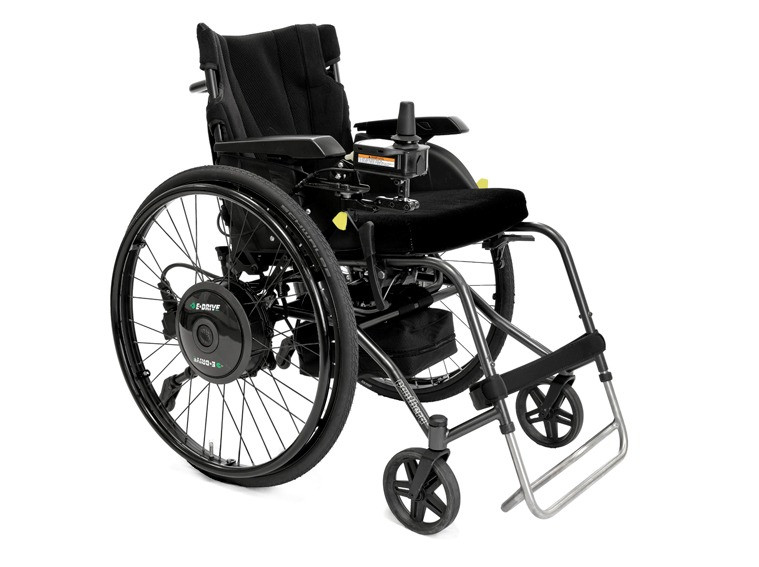
Why fit and setup affect comfort and independence
A well-fitted manual wheelchair supports the user’s posture, energy use, and everyday access. When the chair is too wide, too deep, or poorly balanced, the user often compensates with extra effort. That can show up as shoulder strain, slower self-propulsion, difficulty turning indoors, or needing help in situations that should be manageable.
Fit also affects stability. A chair that feels unstable can reduce confidence, limit outdoor use, and make transfers feel risky. On the other side, a chair that is overly “safe” in its setup can be hard to push and hard to manoeuvre, which can be frustrating for an active user who wants efficiency. The goal is a balanced setup that supports safety without limiting independence.
Wheelchair seating and posture support is often where comfort is decided. A seat that does not support pelvic position can cause slumping, pressure loading, and poor alignment that makes daily movement harder. Over time, this can affect tolerance for sitting, participation in work or education, and overall wellbeing.
Starting with a clinical assessment and real-life routine
Susurro advises that choosing a manual wheelchair should begin with a clear picture of the user’s day. This includes where the chair will be used, how long the user sits in it, how they transfer, and what surfaces they travel over. A chair that feels fine on a smooth showroom floor may behave very differently on uneven paving, in tight hallways, or when loading into a car.
A clinical assessment, when available, helps match the chair to the person rather than the person adapting to the chair. In the UK, this may involve an occupational therapist, physiotherapist, rehabilitation engineer, or specialist supplier assessment depending on the situation. The aim is to understand posture needs, pressure management considerations, propulsion style, and any changes expected over time.
It is also useful to identify the “non-negotiables” early. These often include door widths at home, turning space, transport requirements, and the user’s strength and range of motion. When these factors are known upfront, the options narrow quickly and decision-making becomes easier.
The key wheelchair measurements that shape fit
Measurements guide the baseline fit, and small changes can make a big difference. Susurro highlights that measurements should be linked to function, not treated as a checklist.
Seat width is often chosen too wide because it feels comfortable at first. In practice, extra width can reduce reach to the push rims, increase shoulder strain, and make it harder to fit through doorways. A correct width supports stability while allowing efficient propulsion.
Seat depth affects thigh support and pressure distribution. Too deep can press behind the knees and encourage slumping. Too shallow can reduce support and increase pressure in smaller areas. Depth is especially important for users who sit for long periods.
Back height influences trunk support and freedom of movement. A higher back can feel supportive but may restrict shoulder movement for active propulsion. A lower back can improve mobility but may not provide enough stability for posture control. The right choice depends on the user’s strength, balance, and lifestyle.
Footplate height and angle affect pelvic position and comfort. If the feet are not supported correctly, posture often collapses. Poor foot support can also increase pressure and make transfers more difficult.
Centre of gravity and rear wheel position shape how the chair drives. This is one of the most important setup factors for an active user wheelchair. A more responsive setup can feel easier to push and easier to turn, but it may require more skill and confidence. A more stable setup can feel safer but may increase effort. Fine-tuning here can transform daily use when done carefully.
Rigid vs folding frames and who they tend to suit
Frame style is often presented as a simple choice, but it usually comes down to transport needs and how the user prioritises efficiency.
Rigid frames are commonly associated with active users because they can feel more direct and efficient in propulsion. They often have fewer moving parts and can be easier to maintain. For users who self-propel frequently, the difference in “feel” can matter, especially across longer distances.
Folding frames can be practical when the chair is lifted in and out of vehicles often, when storage space is limited, or when carers manage transport. Modern folding designs can still perform well, but setup and adjustability matter. A folding frame that is not configured properly can feel heavy and sluggish even if the spec looks good.
Susurro notes that this decision should be made alongside transport planning. If the user needs to load the chair into a car independently, the weight and breakdown method may matter as much as the driving feel.
Ultralight wheelchair choices and what “light” really means
An ultralight wheelchair is often assumed to be automatically better, but Susurro cautions that the number on the spec sheet is only one piece of the decision. A chair can be light and still be difficult to use if the fit is wrong or the balance is poorly configured.
Weight matters for lifting into cars, managing thresholds, and reducing fatigue, but adjustability and seating setup often have a larger effect on daily comfort. Some users benefit from a slightly heavier chair that fits properly and supports posture, rather than a lighter option that causes strain.
For people comparing models, it can help to consider where the weight is, not only how much weight there is. A chair that feels well-balanced may handle more easily than a lighter chair that feels unstable or awkward to propel.
Wheelchair seating and posture support and why cushions are not optional
Wheelchair seating is not simply about softness. It’s about alignment, pressure distribution, and stability. A chair that supports pelvic position and trunk alignment can reduce fatigue and improve function, including self-propulsion, reaching, and transfers.
A pressure relief cushion can be a key part of this setup, especially for users at risk of pressure issues or those who sit for extended periods. The right cushion depends on the user’s skin risk, posture needs, and daily environment. Some cushions focus on immersion and pressure redistribution. Others focus on stability and positioning. Often the best solution balances both.
Posture support can also involve back support choices, lateral support considerations, and how the seat angle and back angle work together. These details can change how stable the user feels and how much effort they use to stay upright through the day.
“A Susurro spokesperson said the most common turning point is when people stop asking which chair is best and start asking which setup is best for the user’s body and routine. Measurements, cushion choice, and fine adjustments often have a bigger day-to-day impact than people expect.”
Common mistakes when choosing a manual wheelchair
Susurro points to several patterns that often lead to regret, even when the chair is a reputable model.
One is buying based on weight alone. Weight matters, but it does not replace fit, balance, and seating. Another is ignoring adjustability. Chairs that allow fine-tuning can adapt as a user’s needs change, and they can be optimised after a trial period when real-world feedback is available.
Another mistake is choosing a chair without considering the environment. Tight indoor spaces, uneven outdoor routes, and frequent vehicle loading all change what “best” looks like. People also overlook long-term maintenance. A chair that is used daily needs regular checks, tyre care, and occasional replacement of components to keep performance consistent.
Finally, some users end up with a chair that is technically the right size but configured poorly. Rear wheel position, back angle, and foot support are often where comfort and performance are won or lost.
What to prepare before speaking to a supplier or clinician
The best assessments are supported by real information. Susurro recommends preparing a short snapshot of the user’s routine and constraints so the discussion stays practical.
Photos can help, especially of the home entry, typical doorways, the vehicle used for transport, and the storage space available. It also helps to note typical daily distances, whether the user self-propels or needs support, and what surfaces are most common.
Transfers matter too. How a user transfers, what height they transfer to, and whether they use transfer aids can influence setup choices. If the user has experienced discomfort, fatigue, or pressure concerns, it is useful to describe when those issues happen and what seems to trigger them.
Brands, accessories, and long-term upkeep
Selecting a chair is often the start of a longer relationship with equipment. Over time, users may change tyres for different surfaces, adjust back support, or refine setup based on changes in strength or routine. Accessories can also influence comfort and safety, including cushions, back supports, and positioning components.
For active users, maintenance habits can protect performance. Tyre pressure, wheel alignment, and component checks make a noticeable difference. For carers and families, knowing what to monitor helps prevent small issues from becoming major disruptions.
Susurro’s focus as a specialist manual wheelchair and seating distributor sits in this long-term picture. The objective is not only to supply equipment, but to support decisions that keep the chair working well for the user over time.
Choosing a manual wheelchair FAQ
What is the most important step in choosing a manual wheelchair?
The most important step in choosing a manual wheelchair is linking the chair to the user’s body and daily routine, not only the model name or weight. A clinical assessment or specialist fitting helps identify posture needs, pressure risk, propulsion style, and environment constraints. When measurements and setup are aligned to real life, the chair is more likely to feel comfortable and support independence long-term.
How do wheelchair measurements affect everyday comfort?
Wheelchair measurements affect how the user sits, moves, and propels. Seat width influences reach and shoulder effort, seat depth affects thigh support and posture, and back height changes stability and freedom of movement. Footplate height and positioning also influence pelvic alignment, which is closely linked to comfort. Small measurement differences can lead to fatigue or poor posture, especially for people who sit for long periods.
Why does wheelchair seating and posture support matter so much?
Wheelchair seating and posture support helps the user sit in a stable, aligned position that reduces effort and improves function. Without proper support, people often slump or compensate, which can affect breathing, endurance, and comfort. Good seating also supports pressure distribution, which is important for users who spend long periods in the chair and need consistent, safe positioning day to day.
Should I choose a rigid or folding manual wheelchair?
Rigid frames often suit active users who self-propel frequently and want a responsive, efficient feel, while folding frames can be practical for transport and storage needs. The right choice depends on how the chair will be used, how it will be transported, and what adjustability is required. A chair that matches transport reality and can be set up correctly will usually perform better than a style choice made in isolation.
Do I need a pressure relief cushion if I feel fine without one?
A pressure relief cushion can still be important even if discomfort is not obvious at first, especially for users who sit for extended periods or have reduced sensation. Cushions support pressure distribution and posture, which can affect long-term skin health and sitting tolerance. The best approach is matching cushion choice to the user’s risk, posture needs, and routine rather than treating it as a generic add-on.
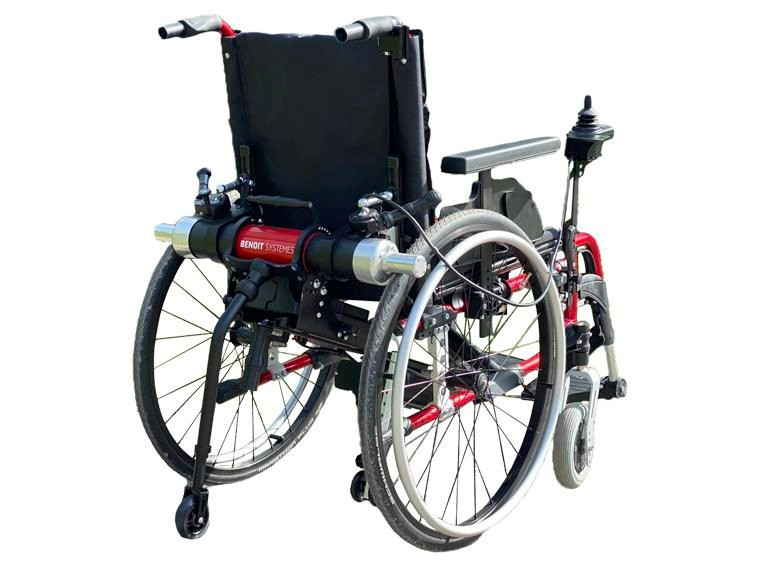
Choosing a manual wheelchair: Learn more with Susurro
Susurro notes that choosing a manual wheelchair is most successful when fit, posture support, and real-world use are considered together. For UK users and specialist dealers, the goal is a chair and seating setup that supports comfort, efficient movement, and long-term usability, with the right measurements and components from the start.
To explore next steps, useful starting points on the Susurro site include the About Susurro page, specialist wheelchair brand pages, the Accessories and Cushions section, and the Contact page for guidance on assessments, measurements, and seating options.
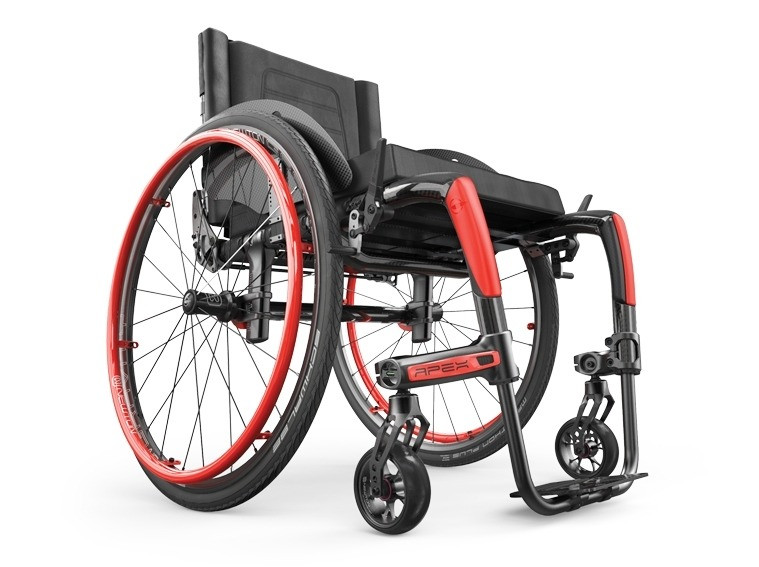

Contact Information:
Sussoro Limited
18 Lodge Road Hanborough Business Park
Long Hanborough, Oxfordshire OX29 8LJ
United Kingdom
Rob Redgewell
+44 330 232 0019
https://susurro.co.uk/